

5 Card Omaha (5 Card PLO): Rules and How the Extra Card Changes Play
You already know four-card pot-limit Omaha, so let's get straight to what's different. 5 card omaha deals each player one extra hole card — five instead of four — while the core rule stays the same: two hole cards must combine with three board cards to make your final hand. That extra card compresses equities, raises nut requirements, and reshapes preflop hand selection. See our poker variants guide for how this plays out across other Omaha formats.
How 5 Card Omaha Works: The Core Rule Change
In 5 card omaha, every player gets five hole cards instead of four. The showdown rule doesn't change: use exactly two hole cards and exactly three community cards, no more, no fewer. Betting structure, blinds, and the pot-limit raise cap all carry over from four-card PLO — the difference lives entirely in the extra card.
Five hole cards push the number of possible two-card combinations from six (in 4-card PLO) up to ten. That jump is the root cause of nearly every strategic shift below. More combinations means more draws stay live, more players are drawing live on any given board, and more hands can plausibly hold the nuts.
Why Equities Compress With a Fifth Card
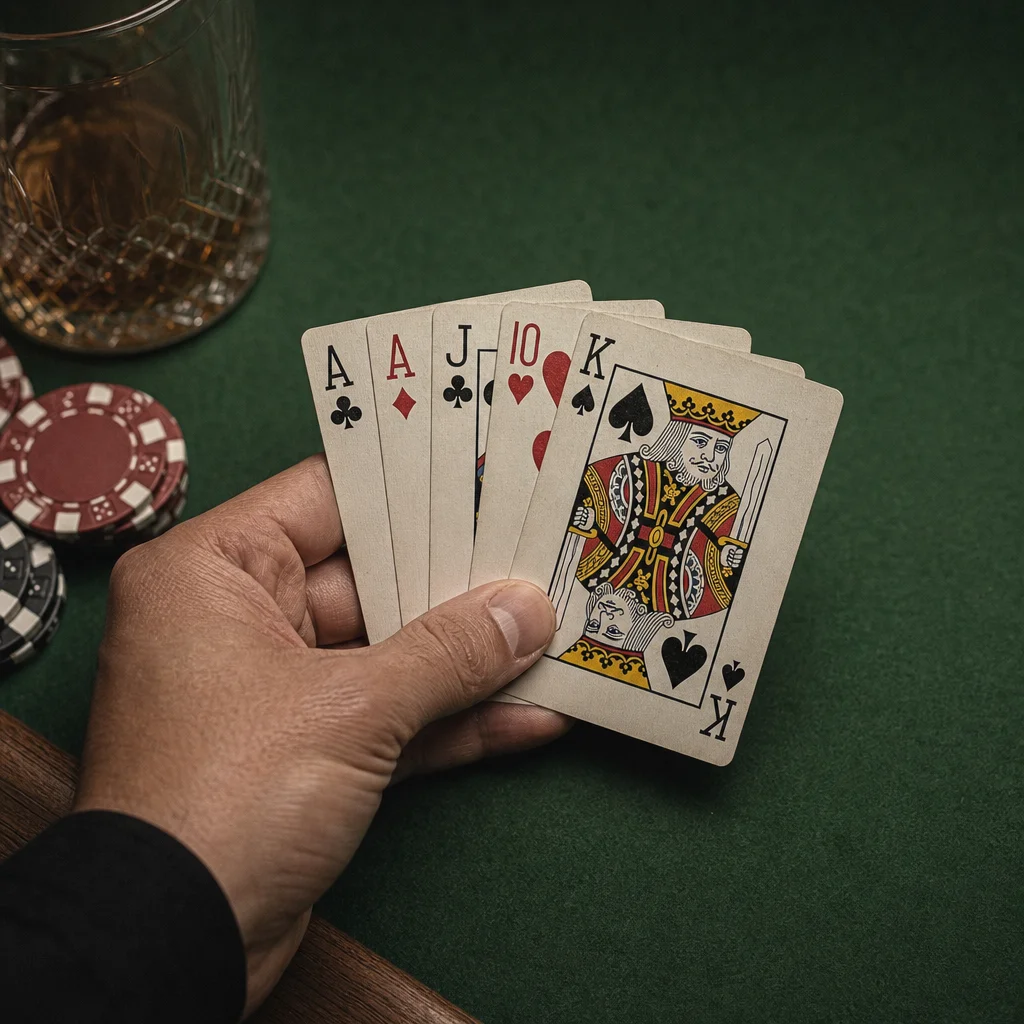
In my experience studying hand histories from 5-card and 6-card PLO tables, the biggest adjustment for a four-card player is accepting how close equities run preflop. Add a fifth card to every hand at the table and the variance in starting-hand strength narrows. A hand that would dominate in 4-card PLO — say, a double-suited high pair — often runs close to a coinflip against a random five-card holding.
- More live wraps and combo draws survive to the turn and river
- Non-nut two-pair and straight hands lose value faster after the flop
- Preflop all-in equities cluster closer together than in 4-card PLO
- Board coverage matters more than raw high-card strength
5 Card PLO Chart: What Changes Preflop
A 5 card plo chart looks different from a standard PLO chart in one key way: rundowns and double-suited hands gain even more relative value, since the fifth card often completes a second suit or extends a connector run. Bare aces and single-pair hands that hold up fine in 4-card PLO drop several rungs on the preflop value ladder.
For 5 card omaha preflop decisions, prioritize connectivity across all five cards over isolated pairs. A hand like A-K-Q-J-T double-suited plays far better than A-A-7-4-2 rainbow, even though the second hand holds a premium pair. Nut requirements also rise sharply postflop — the effective nuts change hands more often by the river, so drawing to the second-best straight or flush is riskier than in 4-card PLO.
5 Card PLO vs 4 Card PLO: Key Strategic Differences
The 5 card plo vs 4 card plo comparison comes down to three things: hand count, nut density, and postflop caution. Five hole cards mean more combinations, which means more players credibly holding the effective nuts on any runout. Where standard PLO rewards aggression with strong-but-not-nut hands, 5 card omaha punishes it more often.
Quick Adjustment for 4-Card PLO Players
How to Play 6 Card Omaha
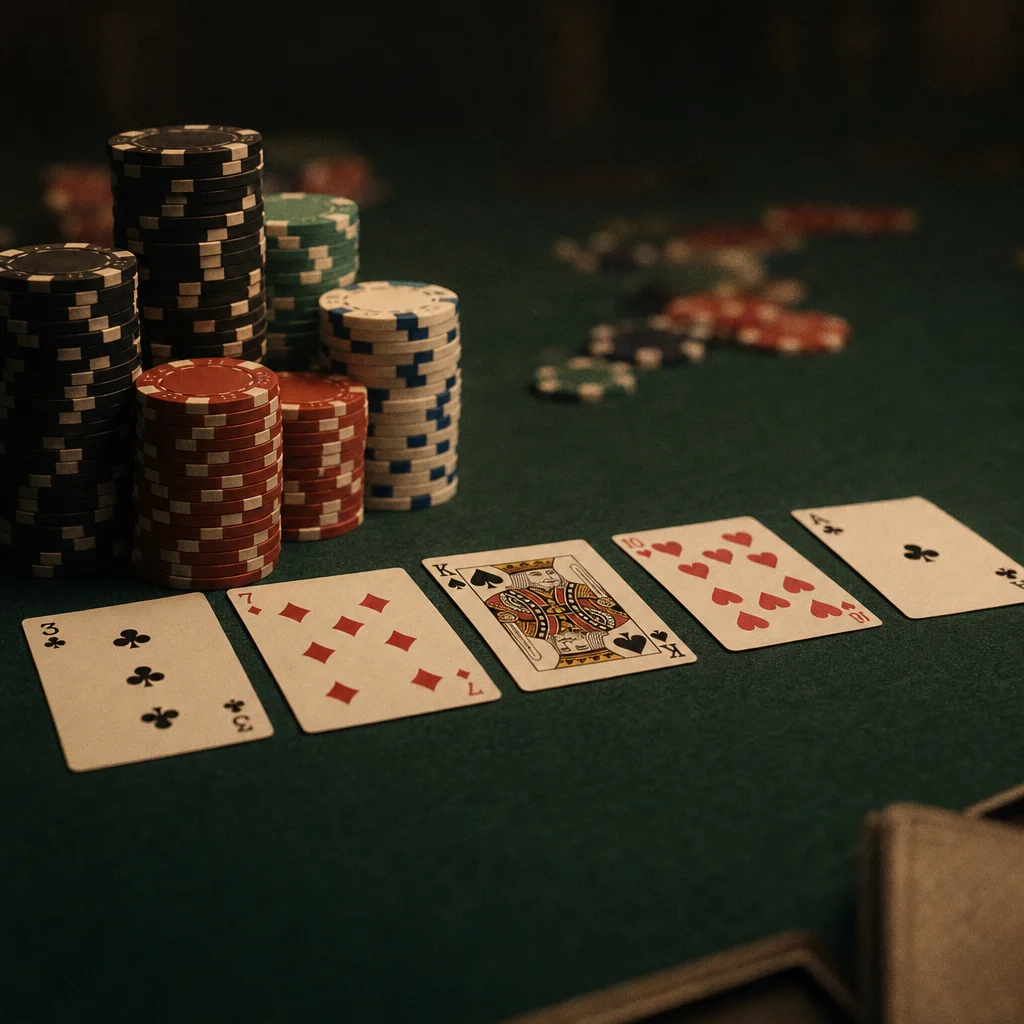
6 card omaha pushes the same logic further: six hole cards, still only two used at showdown, still three board cards required. With fifteen possible two-card combinations per hand, equities compress even more than in 5-card, and near-nut hands become the baseline rather than the exception. A hand with no real connectivity across suits or ranks is rarely worth entering a big pot with.
Treating 6 card omaha as "5 card omaha with the volume turned up" is the fastest way to adapt. The same preflop priorities apply — double-suited, connected, high-card-heavy hands — just amplified. If you want to check your equity rather than guess, a probability calculator helps here; it's one feature built into tools like NZT Poker, though a standalone equity calculator works just as well away from the table.
Where 5 Card Omaha Fits in Your Study
For players coming from 4-card PLO, the extra-card variants sharpen hand-reading fundamentals rather than teach an entirely new discipline. Study rundown structures, practice spotting when your made hand is vulnerable to a redraw, and lean on solver work or trainers like GTO Wizard away from the table. Understanding why equities compress will sharpen your standard PLO game too. For the canonical rule set, see Omaha hold 'em.
Want to Check Equities on the Fly?
If you want a quick pot-odds and equity read during a hand, NZT Poker is one option that builds this into a live probability calculator.
Learn More About NZT PokerDisclosure: This page contains affiliate links. We may earn a commission at no extra cost to you.