Texas Hold'em Strategy: Position, Folding & Winning Play
About 55% of pots at a full-ring table go to the player who acted last, per long-tracked positional win-rate data. That number explains why texas holdem strategy advice circles back to one word: position. You already know the rules and betting mechanics, so this guide skips ahead to the harder part — deciding what to do once the cards are out. If you're curious how tools like NZT Poker approach these decisions, that's worth exploring further down, though the fundamentals here hold regardless of what's on your screen.
Good texas holdem strategy is a sequence of small, repeatable decisions made in order. Position tells you how much information you have. Aggression tells you how to use it. Bluffing tells you when to represent a hand you don't hold, and fold discipline tells you when to stop paying to find out. The biggest swing in my own win rate came not from a new preflop chart but from tightening my postflop folds in bad spots.

Why Position Decides More Than Your Cards
Texas holdem position strategy exists because acting last is a structural edge, not luck. On the button or in the cutoff, you see every check, bet, and fold before committing chips. That means bluffing more profitably, extracting value from marginal hands, and folding cheaply when the action tells a story you don't like. Early position removes that luxury, so a clear bet on the button often becomes a fold under the gun.
I noticed this clearly during a stretch where I logged 4,000 hands and split results by seat. My win rate from the last two seats to act ran nearly three times higher than from the first two — not variance, but the mechanical edge of information, applied hundreds of times a session.
Reading the Board Before You Bet
Deciding when to bet is core texas holdem strategy, and it starts with board texture, not your hand alone. A dry board with few draws favors whoever showed strength first, since there's little for a caller to chase. A wet board loaded with straight and flush possibilities changes the math — a bet there needs to build a pot or deny equity to hands that would otherwise see a cheap card.
- You likely hold the best hand and want to charge callers for the privilege
- You have real equity to improve and want to shrink the field before the next card
- You hold little but your prior betting makes a bet believable
When Betting Makes Sense
Those three reasons above cover most profitable bets on any street. Betting without one of them is usually just giving money away. This is where texas holdem beginner strategy trips people up most: betting because it "feels aggressive" rather than because the bet accomplishes something concrete against the range your opponent is likely holding.
Bet Sizing Tip
Bluffing With a Reason, Not a Feeling
Texas holdem bluffing strategies work best when they follow a story the board and your prior betting already told. A bluff on a board that could plausibly have hit your range, backed by a believable bet size, forces a tough decision. A bluff ignoring board texture or your own earlier passivity gets picked off far more often. Position matters here too — bluffing late succeeds more often than bluffing blind from early position.
Fold Discipline: The Underrated Skill
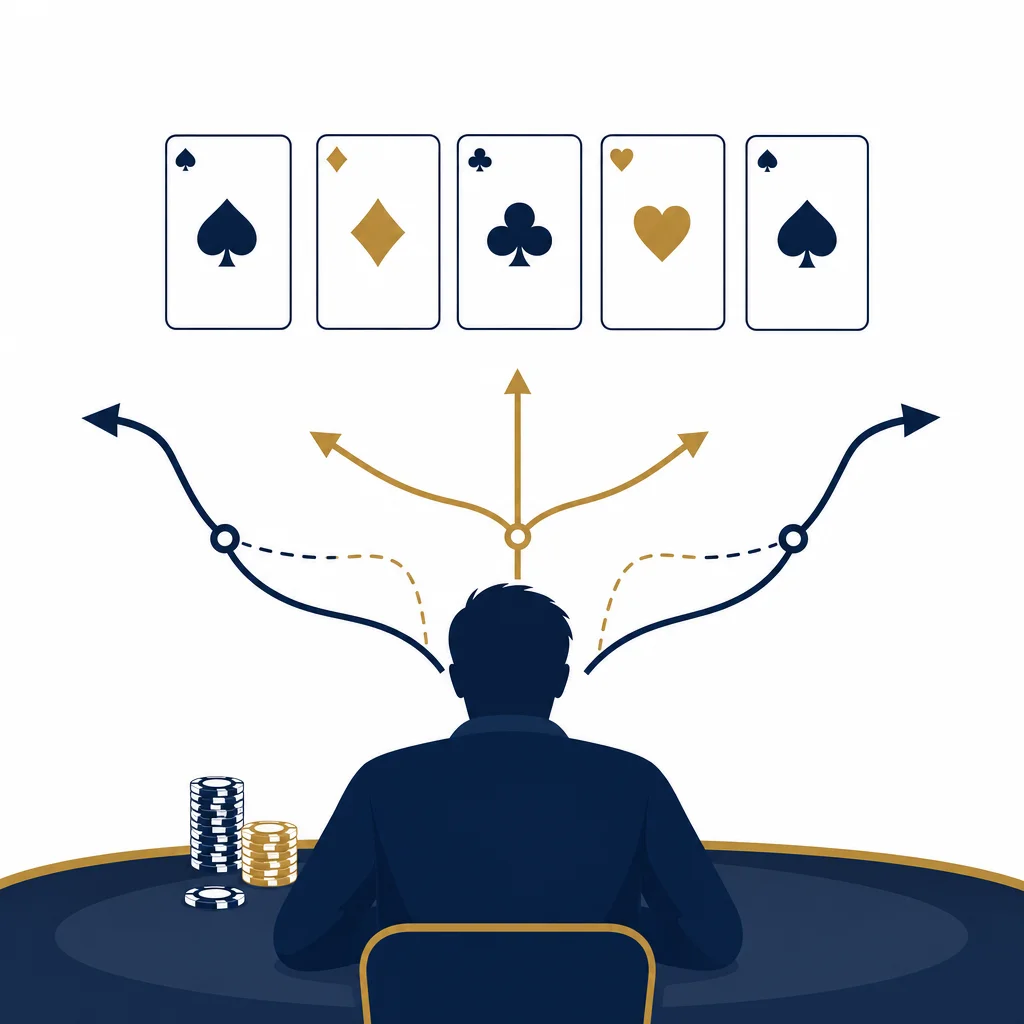
Texas holdem preflop strategy gets most attention in beginner guides, but fold decisions on the turn and river protect your win rate more over time. A fold isn't a loss — it's the price you already paid to see how the hand developed. Calling one street too many because you've already invested chips is a sunk-cost error, not a poker decision.
When a bet size and board texture both point to strength, and you hold a hand that beats only a bluff, folding is the texas holdem strategy fundamental that keeps your bankroll intact over a session. Which hands to raise before the flop lives in our starting hands guide, and reading opponent tendencies is covered in our player types breakdown — both worth a look once you have this postflop framework down.
Tools, Solvers, and Where They Fit
Plenty of players study these decisions away from the table with solvers like PioSolver or a trainer such as GTO Wizard, building pattern recognition that stays once the software closes. Others run a HUD such as Hand2Note to see stats while playing, which still leaves the call to the player. Real-time assistants like NZT Poker sit in a different category — they suggest the action live, which most poker rooms prohibit in their terms of service. For the canonical rule set, see poker strategy fundamentals.
Curious How RTA Tools Work?
See how in-hand assistants like NZT Poker compare with solvers and HUDs before deciding what fits your game.
Read the NZT Poker OverviewDisclosure: This page contains affiliate links. We may earn a commission at no extra cost to you.